I have always enjoyed seeing a city early in the morning, before most visitors have started their day. There is something interesting about watching a place prepare for the hours ahead. Restaurants receive deliveries, employees open shops, commuters head to work, and streets that will eventually become crowded still have a little room to breathe.
I think my interest in these moments comes partly from working in hospitality for more than 20 years. When you spend enough time around hotels, you begin to understand how much work happens before guests see the finished result.
That awareness has changed how I look at cities when I travel.
I am interested in the attractions and restaurants that bring people to a destination, but I also want to understand the ordinary routines that keep those places running.
A City Looks Different Before the Crowds Arrive
New York City is a good example of how much a place can change throughout the day.
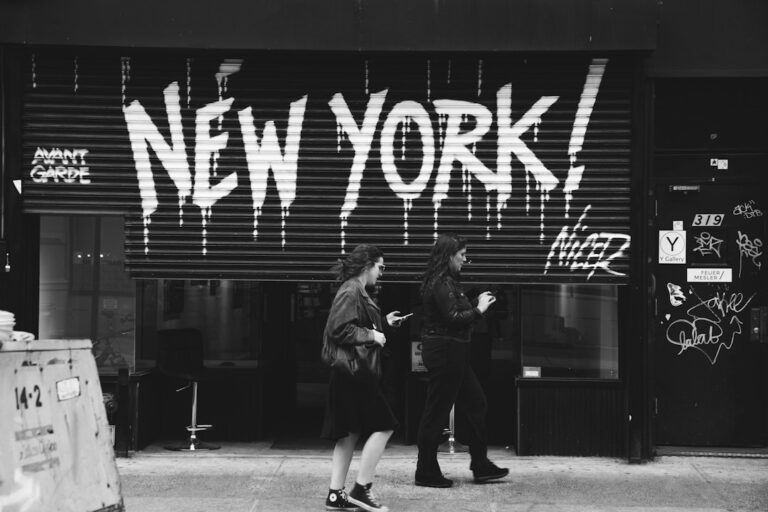
Walk through parts of Manhattan early in the morning, and you may see delivery trucks unloading outside restaurants, employees preparing storefronts, and commuters moving quickly toward subway stations.
A few hours later, the same streets can be filled with shoppers, office workers, visitors, and people heading to appointments. By evening, the atmosphere changes again as restaurants become busy and theater audiences begin arriving.
I find those transitions fascinating.
When most people picture New York, they imagine the city’s busy side. They think about crowded sidewalks, traffic, bright signs, and people moving in every direction.
That is certainly part of New York, but it is not the entire story.
Early in the morning, you can sometimes see the work that makes the busier hours possible.
Hospitality Made Me Notice the Preparation
When I started working in guest services, I naturally focused on what guests were experiencing.
Was the room ready? Did someone need assistance? Was there a problem that needed attention?
As I gained experience, I became more interested in everything that happened before those moments.
Hotel breakfast service doesn’t begin when the first guest arrives. Someone has already prepared the space, checked supplies, organized equipment, and coordinated with other employees.
The same is true of housekeeping, maintenance, and the front desk. A smooth morning usually reflects decisions and preparations that began hours earlier.
Once I understood that, I started noticing similar patterns outside hotels.
A restaurant opening for lunch has already had a morning of work. A museum preparing to welcome visitors has employees handling responsibilities most guests will never see. A city park that looks clean and inviting may reflect work completed before the first visitors arrived.
I don’t think people need to understand every detail of those operations to enjoy a destination. I simply find that knowing the work exists makes me appreciate the place differently.
The People Who Start Before Everyone Else
One thing I notice during early walks is how many people are already working while much of the city is still waking up.
Delivery drivers are bringing supplies to businesses. Restaurant employees are preparing kitchens. Maintenance crews are working on buildings and public spaces. Transit employees are helping people move through the city.
These jobs are easy to overlook because visitors usually encounter the results rather than the preparation.
I have seen something similar throughout my hospitality career.
Guests may remember the person who checked them in or helped with a reservation. They are less likely to remember the employee who inspected their room, fixed a maintenance problem, or prepared the breakfast area before they came downstairs.
That doesn’t make the work any less important.
I have become increasingly interested in the people whose efforts allow everyone else to have an ordinary day.
Morning Walks Change How I Experience a Place
I also enjoy early mornings for a more personal reason. They give me time to observe without feeling as though I need to accomplish anything.
I like photography, and one thing it has taught me is that familiar places can look completely different depending on the light and the time of day.
A street that seems unremarkable in the afternoon may look beautiful early in the morning. A building you have walked past several times might catch your attention because the shadows have changed.
Sometimes I stop to take a photograph. Other times I simply keep walking.
I have found that these quiet moments help me become more familiar with a destination.
When I travel, I don’t always want my first experience of a neighborhood to be when it is crowded with people heading to the same attraction.
I like seeing what happens when the neighborhood is going about its ordinary business.
What Puerto Rico Has Taught Me About Everyday Routines
Living in Puerto Rico has reinforced this interest.
San Juan has its own morning routines, and I enjoy watching neighborhoods gradually come alive. People stop for coffee, businesses open, deliveries arrive, and familiar streets begin filling with traffic.
The pace and surroundings are different from New York, but I recognize many of the same patterns.
Every destination has people who begin working long before visitors arrive. Every restaurant, hotel, shop, and attraction depends on preparation that most customers never think about.
I think this is one reason I have become more interested in everyday places as I have gotten older.
A destination’s identity is not limited to its famous landmarks. It is also shaped by the people who live and work there and the routines they repeat every day.
Why I Don’t Always Want an Itinerary
I understand why people plan their vacations carefully. Travel can be expensive, and nobody wants to return home feeling as though they missed the things they came to see.
But I have become more comfortable leaving some time unplanned.
An early walk doesn’t need a destination. Sometimes I will find a café that looks interesting, sit for a while, and watch the neighborhood begin its day.
I may not learn anything particularly important. I might simply notice a restaurant receiving its morning deliveries or watch a street gradually become busier.
Those experiences still feel worthwhile to me.
They remind me that a city is not a collection of attractions waiting for visitors. It is a place where people are living their ordinary lives.
Seeing More by Slowing Down
I don’t think everyone needs to wake up early on vacation. Some people have demanding schedules at home and would rather sleep late, which I completely understand.
But for anyone who enjoys walking, photography, or simply observing unfamiliar places, I think the early morning offers something different.
You get to see the preparation, not just the performance.
After years of working in hospitality, that distinction has become meaningful to me. I know how much effort can go into making an experience look easy, and I have developed a genuine appreciation for the people doing that work.
When I visit a city like New York, I still enjoy its restaurants, attractions, and busy neighborhoods. I just find I understand the place a little better when I’ve seen it before the crowds arrive.