After working in hospitality for more than two decades, I have spent more hours in hotel lobbies than I could possibly count. I have walked through them early in the morning, before most guests were awake; during crowded afternoon check-ins; and late at night, when the pace finally started to settle.
I used to think of the lobby mainly as an operational space. It was where guests arrived, checked in, asked questions, waited for transportation, and eventually headed back out the door. Over time, I started looking at it differently.
A hotel lobby is one of the best places to understand how people experience a destination.
If you spend enough time simply watching what happens there, you start noticing patterns. Families arrive with completely different expectations than business travelers. First-time visitors ask different questions from returning guests. Employees finishing their shifts sometimes have more useful recommendations than anything in a travel guide.
The lobby becomes a meeting point between the destination people imagined before arriving and the one they are about to experience for themselves.
Arrivals Tell You What People Expect
I have always enjoyed watching people arrive at a hotel because you can usually tell quite a bit about their trip before they say very much.
Families often arrive carrying more than luggage. They have beach bags, snacks, backpacks, and children who have usually had enough of traveling by that point. Parents want to get settled, but the kids are already looking around for the pool.
Couples tend to arrive at a different pace. They might stop and look around before approaching the desk. Some are celebrating an anniversary or taking a vacation they have planned for months.
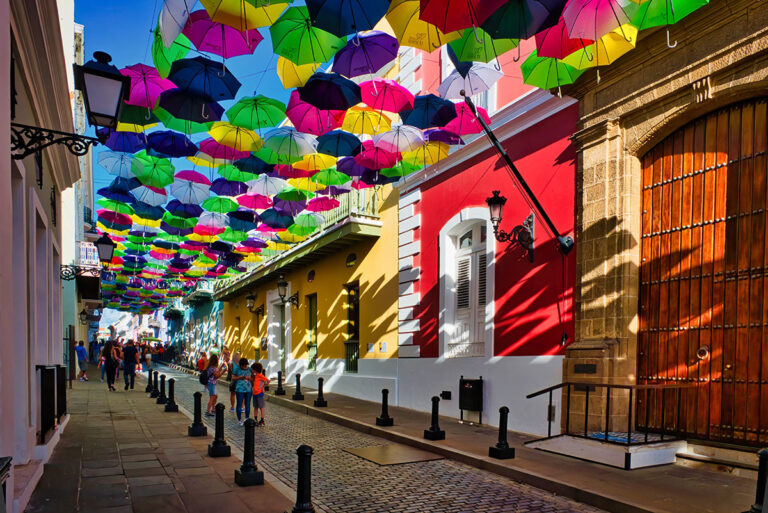
Then there are the first-time visitors who immediately begin asking questions. How far is Old San Juan? Where should we eat tonight? Which beach should we visit? Do we need a car?
I have always found those conversations interesting because they reveal what people think a destination will be before they have actually experienced it.
Sometimes their expectations are accurate. Other times, the best part of hospitality is helping them discover something they didn’t expect.
Mornings Belong to a Completely Different Crowd
Walk through the same lobby early the next morning, and it can feel like another hotel entirely.
Business travelers are often among the first people moving. They have coffee in one hand and a phone or bag in the other, and they usually know exactly where they need to be.
At the same time, vacationing families are beginning to appear. Someone is applying sunscreen to a child who would rather be anywhere else. Another family debates whether to spend the day at the beach or explore the city.
I like observing those different rhythms because they are reminders that people can stay in the same hotel while having completely different experiences of the destination.
One guest may spend the entire day inside conference rooms. Another may spend it sailing along the coast. Someone else might wander around San Juan with no particular schedule.
The hotel is their common starting point, but the destination becomes something different for each of them.
The Questions Guests Ask Are Surprisingly Revealing
You can learn a lot about changing travel habits by listening to the questions guests ask.
There was a time when visitors regularly wanted directions to the biggest attractions. Those questions still happen, of course, but I have noticed how often people now ask for something more specific.
They want to know where employees eat lunch. They ask which beach locals prefer. They want a restaurant that is good but not necessarily famous. They ask whether there is a neighborhood worth walking around that afternoon.
I appreciate those questions because they show curiosity.
At the same time, they create an interesting responsibility for hospitality employees. Recommending a place is different from simply giving directions. You are putting a little bit of your own judgment behind the suggestion.
I have occasionally wondered whether I should recommend the reliable place that almost everyone enjoys or the smaller place that I personally think offers a more interesting experience.
There is no perfect answer.
That is part of what makes those conversations human.
Employees Often Know the Destination Best
One thing I wish more travelers understood is how much local knowledge exists inside a hotel.
The front desk team hears guest feedback all day. Restaurant employees know where people are eating after their shifts. Housekeepers know the neighborhoods around the property. Drivers understand traffic patterns and can often tell you when a twenty-minute trip is about to become a forty-minute one.
Some of the best recommendations I have heard came from casual conversations during shift changes.
An employee heading home might mention that a local festival is happening that evening. Someone else knows a family-owned restaurant that recently reopened. Another team member knows which beach will probably be quieter because of the weather.
That information rarely comes from a formal tourism meeting. It comes from people living their everyday lives in the destination.
I think good hospitality creates room for that knowledge to reach guests.
Shift Changes Reveal the Work Behind the Experience
I also pay attention to what happens when employees change shifts.
Guests usually notice the person standing in front of them. They do not see the conversations happening behind the scenes as one team hands responsibility to another.
A good shift change can include dozens of small details. A family is waiting for a restaurant reservation. A guest needs transportation early the next morning. Someone is celebrating a birthday. Another visitor asked about a maintenance issue that needs to be checked again.
When those details are communicated well, the guest experiences continuity. They do not have to explain the same situation to three different people.
When communication breaks down, they notice immediately.
Those transitions have taught me that some of the most important hospitality work is almost invisible when it is done correctly.
Departures Tell a Different Story Than Arrivals
I probably learn the most from watching people leave.
Arriving guests talk about what they plan to do. Departing guests talk about what actually happened.
Their stories rarely match their original itineraries.
They mention the restaurant they discovered by accident or the afternoon they changed plans because someone recommended a different neighborhood. Parents talk about the activity their children unexpectedly loved. Couples mention a conversation they had with someone they met along the way.
That difference between expectation and memory has always interested me.
It reminds me that destinations are not experienced through lists of attractions. They are experienced through hundreds of small interactions and decisions.
A Lobby Is a Window Into the Place Outside
A hotel lobby is not the destination itself, and I would never want visitors to spend their entire trip inside one. The point of hospitality is to help people comfortably experience the world beyond the property.
Still, I think lobbies tell us something important about travel.
They are places where strangers arrive with expectations and leave with stories. They are where employees share local knowledge, families make last-minute plans, business travelers briefly cross paths with vacationers, and visitors decide whether to follow their itinerary or try something completely unexpected.
After all my years in hospitality, I still find that interesting.
If I stand in a lobby long enough, I can usually get a sense of what is happening outside without ever walking through the front door. I can hear what restaurants people are talking about, which neighborhoods are drawing attention, what surprised first-time visitors, and where returning guests cannot wait to go again.
A lobby may look like a place people simply pass through. In my experience, it is more than that. It is one of the places where a destination tells you, indirectly and through the people experiencing it, exactly what kind of place it is.