Spend enough time working in hospitality, and you become familiar with people who are in a hurry. They are trying to catch a flight, get to a meeting, make a dinner reservation, find a taxi, check out, check in, or somehow recover the forty minutes they lost when something earlier in the day did not go according to plan.
I have worked in hospitality for more than twenty years, starting in guest services before moving into operations and management. Over that time, I have been on the receiving end of plenty of rushed conversations. Some were perfectly reasonable. Some were impatient. A few were unnecessarily rude. Earlier in my career, I probably took more of those interactions personally than I should have.
Eventually, I realized something that made the job easier. The person in front of me was often reacting to much more than what was happening in that moment.
That doesn’t excuse poor behavior, but it does change how you respond.
The Front Desk Often Gets the End of the Story
A guest walks quickly toward the front desk and says they need their bill immediately because they are late for a flight. From the employee’s perspective, the interaction has just started. For the guest, it may be the latest problem in a morning that began hours ago.
Maybe the alarm did not go off. Maybe breakfast took too long. Maybe their meeting ran late. Maybe they just checked traffic and realized the trip to the airport would take twice as long as expected.
Then they arrive at the front desk, and suddenly you are standing between them and wherever they desperately need to be.
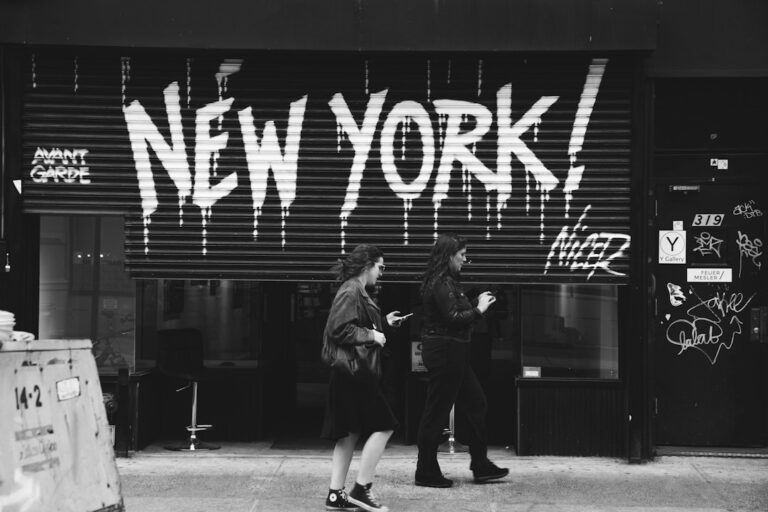
I learned early that hospitality employees frequently receive the final reaction to a series of events they had nothing to do with. The difficult part is remembering that when someone is speaking to you as though you personally created New York traffic.
When I was younger, I sometimes wanted to correct the situation immediately. I wanted the guest to understand the problem wasn’t ours. With experience, I became less concerned with assigning blame and more focused on what we could actually do.
If I can solve something in two minutes, arguing about the previous twenty usually does not help anyone.
Business Travelers Have Their Own Kind of Pressure
Business travelers taught me a lot about urgency because their hotel stay is often only one small piece of a much larger schedule.
Someone might arrive in New York in the evening, have meetings beginning early the next morning, attend a dinner that night, and leave the following day. The hotel is not necessarily the purpose of the trip. It is infrastructure that needs to work around everything else.
That changes what good service looks like.
Sometimes, a long, friendly interaction is exactly the wrong approach. A tired business traveler who has already provided everything needed for check-in may simply want a room key and directions to the elevator.
Hospitality employees are often taught to engage guests, make conversation, explain amenities, and create a welcoming experience. Those are good instincts. The harder skill is recognizing when someone does not want any of that.
Sometimes respecting a guest’s time is the most hospitable thing you can do.
A Five-Minute Delay Does Not Always Feel Like Five Minutes
Hospitality has also taught me that time is surprisingly emotional.
Five minutes sitting at home does not feel particularly significant. Five minutes waiting for a room when you have been traveling since 5 a.m. can feel much longer. Five minutes waiting for a receipt when your car is outside and your flight is approaching can feel even longer.
Employees know that some things take time. A guest may not understand why a room cannot simply be ready immediately or why a billing issue requires someone to check another system.
This creates a difficult balance. You do not want to promise something you cannot deliver simply because a guest is impatient. At the same time, saying, “You’ll have to wait,” without any explanation rarely improves the situation.
I have found that uncertainty often frustrates people more than the wait itself.
If something will take ten minutes, tell them ten minutes. If you genuinely do not know, tell them what you are doing to find out. People can make decisions with information.
What tends to make situations worse is repeatedly telling someone, “It should only be another minute,” when you have no idea whether that is true.
Delays Change People
Delayed travelers are another group hospitality employees quickly learn to recognize.
By the time someone reaches a hotel after a canceled flight or a long transportation delay, they may have spent hours standing in lines, changing reservations, checking their phone, and wondering whether their plans are going to work at all.
Then something small happens at the hotel.
Maybe the room type they requested is not available. Maybe there is a wait at check-in. Maybe the restaurant has already closed.
On a normal day, the guest might barely react. After everything else, that small inconvenience becomes the final frustration.
This is where not taking things personally becomes important.
That does not mean employees should accept abusive behavior. There is a line, and managers need to support employees when guests cross it. Hospitality should never mean asking someone to tolerate being mistreated.
But there is a wide range between understandable frustration and unacceptable behavior. Learning to recognize the difference is part of becoming experienced in this business.
Speed Is Not Always the Same as Efficiency
When guests are in a hurry, the natural response is to move faster. Sometimes that is exactly what is needed.
Other times, rushing creates another problem.
I have watched employees become so focused on helping an impatient guest quickly that they skip a step, enter something incorrectly, or fail to ask one important question. The guest leaves the desk faster, but twenty minutes later someone is dealing with the mistake.
That taught me to distinguish between speed and efficiency.
A good operation removes unnecessary steps. It gives employees the information they need. It makes common requests easy to handle. It does not simply tell people to work faster.
You can only save so much time by moving your hands faster. Eventually, you have to look at the process.
New York Makes Urgency Easy to Observe
New York is an interesting place to think about this because urgency is almost part of the atmosphere.
People are moving toward trains, meetings, restaurants, airports, theaters, and appointments. A visitor who misjudges how long it takes to cross the city can suddenly find themselves in a genuine rush.
For hotels, that makes local knowledge valuable. Knowing realistic travel times can prevent problems before they happen. Telling someone they could technically leave at a certain time is different from giving them enough room for traffic, luggage, and the unexpected.
I would rather give a guest a realistic answer than the answer they are hoping to hear.
That lesson applies well beyond New York.
I Have Learned to Leave the Emotion Where It Belongs
One of the biggest changes in me over twenty years of hospitality is that I carry fewer difficult interactions with me.
When I was starting out, an impatient guest could affect my mood long after they had walked away. I would replay the conversation and think about what I should have said differently.
Experience gives you perspective.
Sometimes a guest is upset with you. More often, you’re the person standing there when their frustration finally comes out.
I still think about whether I could have handled an interaction better. Hospitality professionals should. Reflection is how we improve. What I try not to do anymore is assume that every person’s mood is a judgment of the job I am doing.
Working with travelers has taught me that people behave differently when they are tired, late, confused, hungry, or somewhere unfamiliar. The job is not to absorb all of that frustration. It is to understand enough of it to determine what might actually help.
Sometimes that means solving a problem. Sometimes it means providing better information. Sometimes it simply means getting someone their room key quickly and letting them get on with their day.
After more than two decades in hospitality, I have learned that knowing the difference is a bigger part of good service than I ever realized when I started.