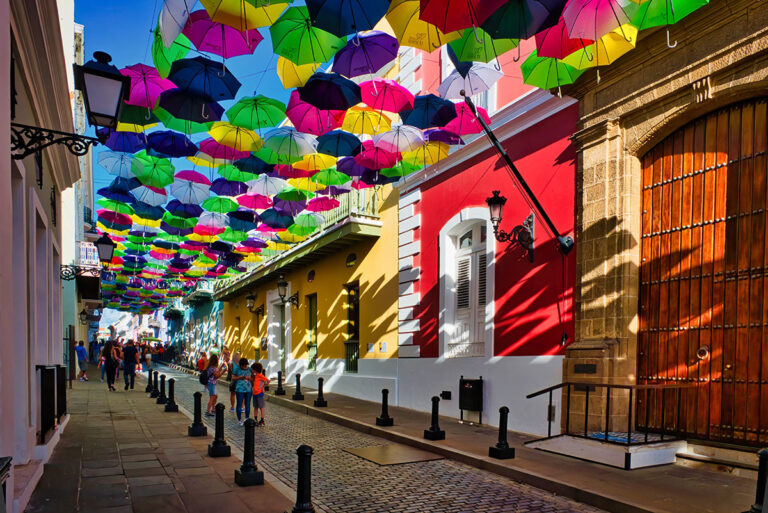
Hospitality as a Master Class in Perspective
A Lesson I Didn’t Learn in a Classroom
One of the things I have always appreciated about the hospitality industry is that no two days are ever exactly the same. Buildings may remain unchanged, procedures may stay consistent, and service standards may be clearly defined, but the people walking through the doors are always different.
Over the course of my career, I have had the opportunity to work with guests from countless backgrounds, cultures, professions, and life experiences. Some arrived to celebrate major milestones. Others were traveling for business. Some were seeking adventure, while others simply needed a place to rest and recharge.
Early in my career, I viewed hospitality primarily through an operational lens. I focused on delivering excellent service, maintaining high standards, and ensuring guests had positive experiences. Those things remain important, but over time I came to understand that hospitality is about much more than managing a property or providing accommodations.
It is about understanding people.
The day I truly realized that every guest sees the world differently changed not only the way I approached hospitality but also the way I approached life.
The Same Experience, Different Perspectives
One of the fascinating realities of hospitality is that two guests can have nearly identical experiences and walk away with entirely different impressions.
A guest arriving from a busy city may view a quiet beachfront resort as peaceful and restorative. Another guest may see that same environment as too slow or isolated.
One traveler may appreciate detailed recommendations and guidance from staff. Another may value privacy and independence.
Neither perspective is right or wrong. They are simply different.
As hospitality professionals, it can be tempting to assume we know what guests want because we have experience. After all, we interact with people every day. Yet the longer I worked in the industry, the more I realized that assumptions often create blind spots.
Every guest brings their own expectations, priorities, and experiences with them. Understanding those differences is often the key to creating exceptional service.
Puerto Rico Expanded My Understanding
My years working in Puerto Rico played a significant role in shaping this perspective.
Puerto Rico is a place where cultures, traditions, and experiences come together in unique ways. The island attracts visitors from around the world, each arriving with different expectations and motivations.
Some guests came seeking relaxation and natural beauty. Others were interested in history, culture, or business opportunities. Many were visiting the island for the first time, while others returned year after year because they felt a deep connection to the people and the place.
Working in that environment exposed me to an incredible range of perspectives. It reinforced the idea that hospitality is not about creating a single experience for everyone. It is about understanding what matters to each individual guest.
The same beach, the same hotel, and the same destination could mean completely different things to different people.
That realization encouraged me to listen more carefully and make fewer assumptions.
Listening Became More Important Than Talking
One of the most valuable lessons I learned in hospitality is that listening is often more important than speaking.
When guests share their expectations, concerns, or goals for their stay, they are offering valuable information. The better we understand what matters to them, the better we can serve them.
This sounds simple, but it requires genuine attention.
Many people listen only long enough to formulate a response. True listening involves understanding the perspective behind the words.
I discovered that some of the best service opportunities emerged when team members took the time to ask questions and learn more about the person standing in front of them.
What brings them here?
What kind of experience are they hoping to have?
What would make their visit memorable?
The answers often revealed needs and priorities that would never have been obvious from the surface.
Hospitality Is Really About Empathy
As I gained experience, I began to see hospitality as an exercise in empathy.
Empathy is not simply being kind. It is making an effort to understand how someone else experiences the world.
That skill becomes especially important in an industry that serves people from different cultures, generations, and backgrounds.
A business traveler rushing between meetings may view time as the most valuable resource. A family on vacation may prioritize experiences and memories. A couple celebrating an anniversary may focus on details that carry emotional significance.
The hospitality professional who recognizes these differences is better equipped to create meaningful experiences.
The same principle applies far beyond hotels and resorts. It applies to leadership, business, friendships, and communities.
The ability to understand another person’s perspective is often the foundation of strong relationships.
The Danger of Assuming Everyone Thinks Like You
One of the biggest mistakes people make is assuming that others see the world the same way they do.
This happens in business, in families, and in everyday interactions.
We naturally interpret situations through the lens of our own experiences. While that is human nature, it can also limit our understanding.
Hospitality challenged me to move beyond that tendency.
Every day brought interactions with people whose backgrounds and perspectives differed from my own. The more I engaged with those individuals, the more I realized how much there was to learn.
The most successful hospitality leaders I have known share a common trait. They remain curious.
They ask questions.
They seek understanding.
They recognize that every guest has a story they cannot immediately see.
Perspective Makes Better Leaders
Over time, this lesson became just as important in leadership as it was in guest service.
Leading teams requires many of the same skills that hospitality demands. Employees, like guests, bring different experiences, goals, and perspectives to the table.
A leadership approach that motivates one person may not resonate with another. A solution that seems obvious from one perspective may appear entirely different from another.
The leaders who consistently earn trust are often those who take the time to understand the people they serve.
Perspective creates better communication.
Perspective creates stronger relationships.
Perspective creates better decisions.
And perspective almost always begins with listening.
What Every Guest Taught Me
Looking back on my career, I realize that the most valuable lessons did not come from business plans, financial reports, or operational strategies.
They came from people.
Every guest who walked through the door brought a unique perspective. Some challenged my assumptions. Some introduced me to new ideas. Some helped me better understand cultures and experiences that differed from my own.
Collectively, they taught me that there is no single way to see the world.
That lesson has remained with me long after individual conversations have been forgotten.
Seeing Through Someone Else’s Eyes
Hospitality has many practical components. It requires organization, planning, teamwork, and attention to detail. Yet at its core, hospitality is about people.
The day I realized that every guest sees the world differently was the day I began to appreciate the deeper purpose of the industry.
Great hospitality is not about treating everyone exactly the same. It is about understanding that every person arrives with their own story, expectations, and perspective.
The more we recognize those differences, the better we become at serving others.
More importantly, the better we become at understanding the world itself.
In an increasingly connected world, the ability to see through someone else’s eyes may be one of the most valuable skills we can develop. Hospitality taught me that lesson, one guest at a time.