When I first started working in hospitality, I believed success was all about attracting as many visitors as possible. It seemed like common sense. If more people wanted to visit a destination, hotels would stay busy, restaurants would thrive, and local businesses would benefit. From that perspective, trying to appeal to everyone sounded like the right strategy.
As the years passed, I began to see things differently.
After spending more than two decades working in tourism, I have learned that the destinations people remember most are rarely the ones trying to satisfy every possible traveler. Instead, they are places with a strong sense of identity. They know what makes them unique, and they are comfortable embracing it.
That may sound like a risky approach because it naturally means some people will be more interested than others. At first, I wondered whether that was a mistake. Shouldn’t every destination try to attract as many visitors as possible?
The more I observed successful destinations, the more I realized the opposite is often true. Places that stay authentic usually create deeper connections with visitors, and those connections inspire travelers to come back.
People Travel to Experience Something Different
One reason people travel is to get a break from everyday life. They are looking for experiences they cannot have at home. They want to explore new places, meet different people, taste local food, and learn about another community’s history and traditions.
That is why I sometimes find it surprising when destinations try so hard to look alike.
Over the years, I have seen cities copy trends because they worked somewhere else. One destination builds a luxury shopping district, so another decides it needs one too. A popular waterfront fills with national restaurant chains, and suddenly every city wants the same formula.
There is nothing wrong with learning from successful ideas, but I think destinations have to be careful not to lose their own identity in the process.
If every place offers the same experience, travelers have fewer reasons to choose one over another.
Authenticity Is Something Visitors Can Feel
One of the things I appreciate most about living in Puerto Rico is that authenticity is woven into everyday life.
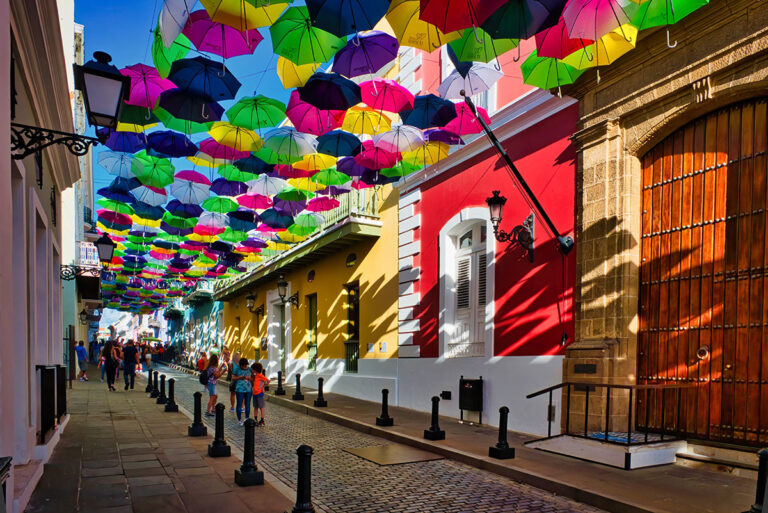
When people visit Old San Juan, they are not walking through a carefully designed attraction that was built to resemble history. They are walking through streets that have existed for centuries. They see colorful buildings that have become part of the city’s character over generations. They hear music spilling out of restaurants, watch local artists display their work, and experience traditions that continue because they are meaningful to the community.
Visitors notice that authenticity almost immediately.
I have walked through Old San Juan with first-time visitors many times, and I always enjoy watching their reactions. They stop to admire buildings that locals might pass every day. They wander into small bookstores, spend extra time talking with artists, or decide to stay longer at a neighborhood café simply because they enjoy the atmosphere.
Those moments are difficult to manufacture.
They happen because people feel as if they are experiencing a real place rather than a destination designed solely for tourists.
Not Every Destination Is Meant for Every Traveler
One idea that took me a while to accept is that attracting the right visitors can be more valuable than attracting the largest number of visitors.
That does not mean excluding people or making anyone feel unwelcome.
It simply means understanding what kind of experience a destination naturally offers.
Some travelers love packed itineraries filled with attractions from morning until night. Others would rather spend an afternoon walking through historic neighborhoods, talking with local business owners, or enjoying a leisurely meal while watching people pass by.
Neither style of travel is better than the other.
The important thing is that the destination stays true to itself instead of constantly changing to chase every new travel trend.
When a destination knows what it does well, it becomes much easier for travelers to decide whether it is the right fit for them.
Local Communities Should Always Be Part of the Conversation
One thing I have come to appreciate over the years is that tourism is not just about visitors.
It is also about the people who call a destination home.
Healthy tourism creates opportunities for local businesses, restaurants, artists, musicians, and entrepreneurs. It supports jobs and helps communities grow. At the same time, tourism should never come at the expense of the very qualities that made a place worth visiting in the first place.
Finding that balance is not always easy.
I have often asked myself whether a proposed project would genuinely improve the destination or simply attract more people for a short period of time.
Those are not always the same thing.
The best decisions usually benefit both visitors and residents. When local communities remain strong, travelers enjoy a more authentic experience because they encounter a place that remains true to itself.
Small Businesses Give Destinations Their Personality
Whenever I visit a new city, I pay attention to the locally owned businesses.
I enjoy the restaurants where the owner greets customers by name. I like browsing bookstores that reflect the community’s interests. I appreciate galleries where artists are eager to talk about their work and explain what inspired them.
Those businesses tell the story of a place far better than any advertising campaign ever could.
Years later, people rarely remember a chain restaurant they visited during a vacation.
They remember the family-owned café where someone recommended a favorite local dish. They remember the bakery they stumbled across while exploring side streets. They remember the conversation they had with a shop owner who shared stories about the neighborhood.
Those personal experiences are what give destinations their personality.
Trying to Appeal to Everyone Can Weaken What Makes a Place Special
I sometimes compare destinations to restaurants.
The restaurants I remember most are usually the ones that know exactly what they do well. They focus on their specialties rather than trying to serve every imaginable cuisine.
Destinations work the same way.
When a place embraces its own history, traditions, architecture, and culture, visitors know they are experiencing something genuine.
Ironically, trying to appeal to everyone can make a destination feel less memorable.
Travelers are not searching for another version of somewhere they have already been.
They are looking for experiences that could only happen in that particular place.
The Right Visitors Create Lasting Success
One thing I have noticed throughout my career is that the happiest visitors are often the ones who chose a destination because it matched what they were looking for from the very beginning.
Those guests tend to spend more time exploring local businesses, recommend the destination to friends and family, and often return for another visit.
Their connection feels deeper because the experience met their expectations without pretending to be something it was not.
That kind of loyalty cannot be created through marketing alone.
It grows naturally when a destination stays true to its identity.
Authenticity Will Always Matter
After more than twenty years in hospitality, I have become convinced that authenticity is one of the greatest strengths any destination can have.
The places people remember are rarely the ones trying to imitate somewhere else. They are the places with their own traditions, their own stories, and their own personality.
Those destinations are confident enough to embrace what makes them different instead of worrying about appealing to every traveler.
In my experience, that confidence is exactly what attracts the right visitors. People are drawn to places that feel genuine because that’s where the most meaningful travel experiences happen.
As someone who has spent his career helping create memorable guest experiences, I have learned that authenticity is never a weakness. It is the foundation that allows a destination to stand out, build lasting connections, and give visitors something they simply cannot find anywhere else.